


French specialist in hexagonal LED lighting. Robust equipment, fair prices, responsive service.
📞 +33 1 84 16 45 42 (France)
📧 support@hexeli.com
A well-lit gym makes you want to train — and it films well. Drag the handle: same floor, same time of day, different light.
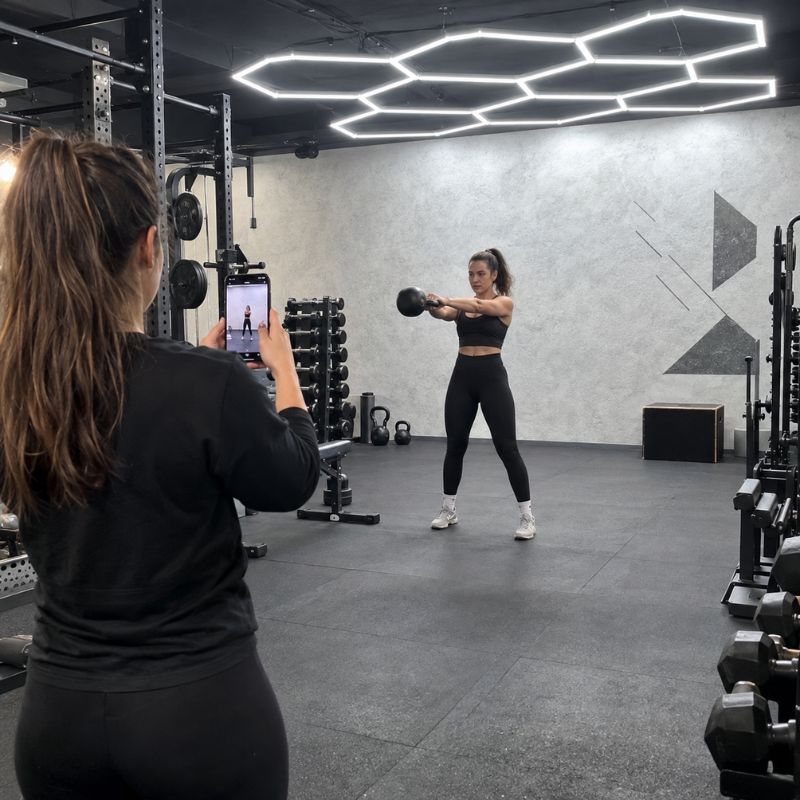
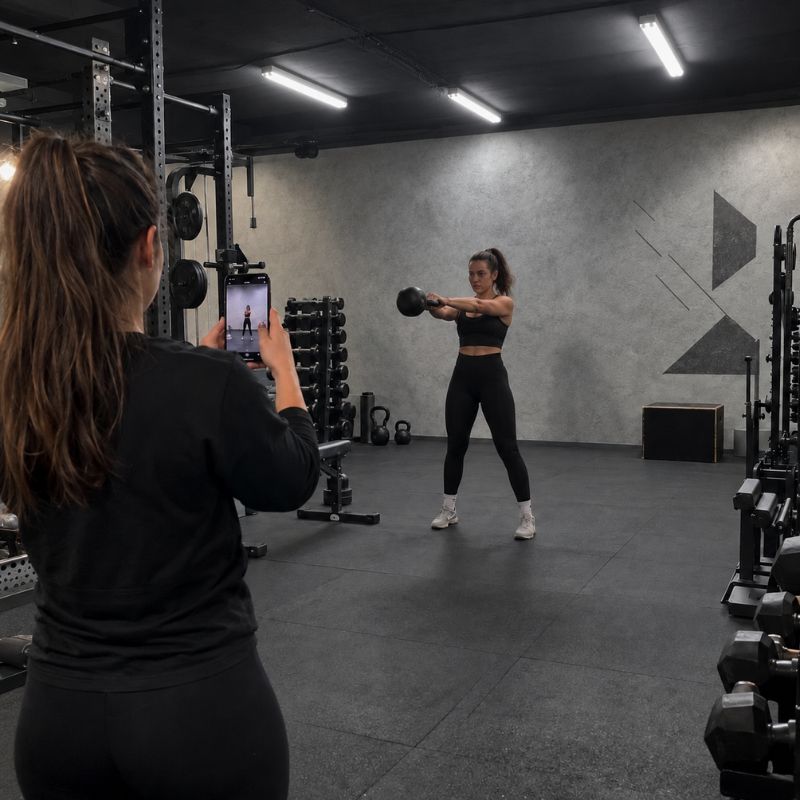
The lit back wall serves as the backdrop for videos: it's what changes everything in members' stories.
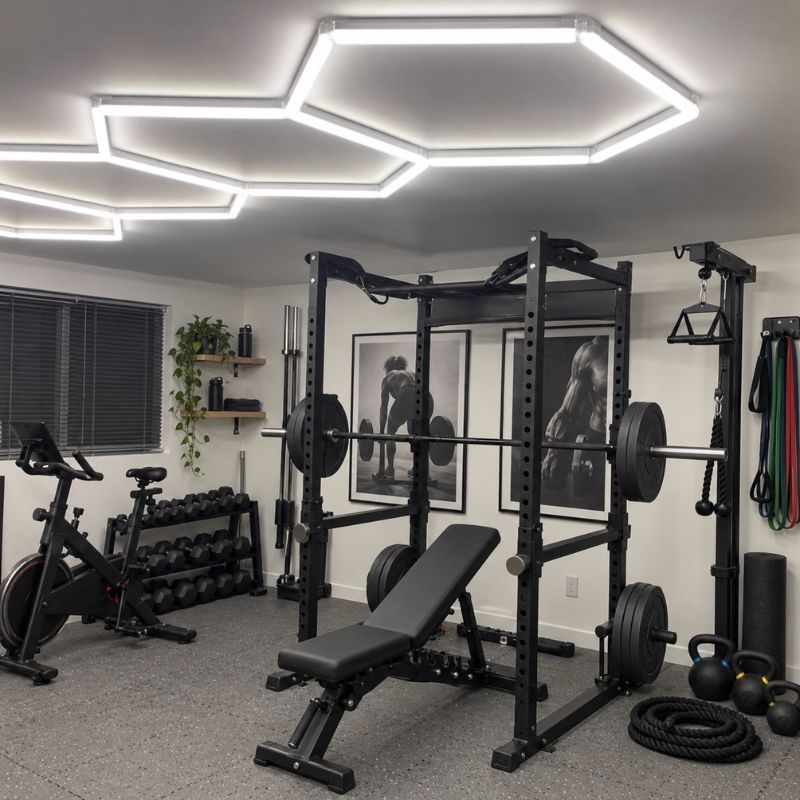
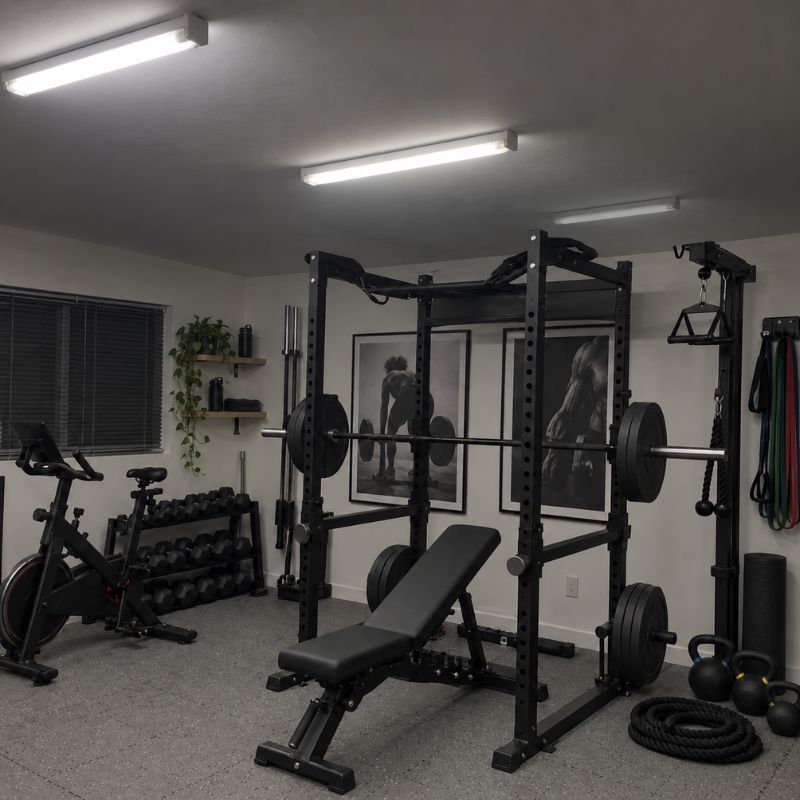
Before: weak, uneven lighting leaving dark spots between the machines. After: powerful, even light covering the whole gym, with no dark areas.
The same light in your gym
Floor area, ceiling height, zones: we'll send you back the number of hexagons and how to lay them out.
Frequently asked questions
What gym owners ask us most often.
1 hexagon per 22 sq ft (0.50 per m²) as a baseline. That's less than a garage because a gym is an open volume, but you need to add 50% above 10 ft (3 m) ceiling height — which is the case in most commercial units.
No, that's the classic mistake. It's where you most need to see: back position, foot placement, the plates. Keep full density and offset the grid away from overhead movements.
White for training, color for atmosphere. An all-RGB gym gets tiring and distorts depth perception after a few weeks. The combination that lasts: white grid over the training floor, color around the edges or on a wall.
Above anything that goes up: about 8.5 ft (2.60 m) for a standing overhead press, 8.9 ft (2.70 m) for a snatch. Over those zones, offset the grid rather than lowering the panels — moving a hexagon 3 ft (1 m) barely changes the light level.
That's a gym's real enemy. Every bar dropped on the floor travels through the structure. Use fixings suited to the substrate — not universal anchors — and schedule a check at one month, then at six months.
Light the wall that serves as the backdrop. A ceiling grid alone leaves the background dark and faces harshly contrasted. It's the detail that separates a video you post from one you delete.
Dry or barely damp cloth, power off. Chalk and dust build up on the diffusers and cut brightness faster than you'd think. Once a year is enough.
That's different equipment: you need a suitable ingress protection rating. Never install panels intended for the training floor in those areas.
Have a question that's not listed here?
Give us your floor area and ceiling height, and we'll reply with a costed layout.
The Hexeli benchmark
A gym is a volume, not a room. The light has to cover without glare, stand up to vibration, and make the place photogenic — because members film.
Three parameters decide: density, height, and the split between white and color.
1 hexagon per 22 sq ft (0.50 per m²), increased by 50% as soon as the ceiling exceeds 10 ft (3 m). In a 16 ft (5 m) commercial unit, that makes a real difference at floor level.
Over snatch, press or pull-up zones, move the grid. One panel hit by a bar costs more than ten well-placed hexagons.
It's the backdrop of every video. Lighting it transforms how the gym is perceived without changing anything on the training floor.
Neutral white is for training and correcting form. Color is for group classes, photos and the venue's identity. Don't ask the same grid to do both.
| Zone | Density | Note |
|---|---|---|
| Free-weights area | 1 hex / 22 sq ft | Full density, grid offset from overhead movements |
| Machines | 1 hex / 22 sq ft | Avoid reflections on screens |
| Cardio | 1 hex / 22 sq ft | Steady light, no flicker |
| Group classes | 1 hex / 22 sq ft | A separate circuit for mood lighting |
| Changing rooms, showers | Dedicated equipment | Suitable ingress protection rating |
Above 10 ft (3 m) ceiling height, increase all values by 50% and plan access for maintenance.
View the RGB kits
French specialist in hexagonal LED lighting. Robust equipment, fair prices, responsive service.
📞 +33 1 84 16 45 42 (France)
📧 support@hexeli.com